
Publié le

How Health Anxiety is Ruining My Life: Understanding the Struggles and Steps to Take

A person experiencing health anxiety is ruining my life while sitting in a serene park, depicting inner turmoil.

Understanding Health Anxiety and Its Impact

Defining Health Anxiety

Health anxiety, often referred to as hypochondria, is characterized by excessive worry about having a serious illness despite medical evaluations showing no significant health problems. Individuals with health anxiety are often preoccupied with the interpretation of bodily symptoms, fearing they might be signs of severe illness. It can dramatically impact one’s quality of life, leading to a cycle of dread and compulsive checking behaviors. This persistent cycle of worry can feel isolating and can become debilitating, prompting many to feel that health anxiety is ruining my life.

Common Symptoms of Health Anxiety

The symptoms of health anxiety can manifest both physically and psychologically. Common symptoms include:

  • Constantly feeling fatigued or unwell.
  • Excessive worry about one’s health or the health of loved ones.
  • Frequent visits to healthcare providers.
  • Researching diseases online obsessively.
  • Physical symptoms such as palpitations, dizziness, or gastrointestinal disturbances triggered by anxiety.

These symptoms can often lead to heightened feelings of panic and an irrational fear of diagnosis, which may exacerbate existing health concerns and create a loop of anxiety.

How Health Anxiety is Ruining My Life

For many, health anxiety can dictate numerous facets of daily life. It can prevent individuals from enjoying social interactions, partaking in physical activities, and even pursuing career goals. Simple tasks can become monumental challenges driven by an overwhelming fear of potential illness or death. This debilitating condition can lead to avoidance behaviors where individuals withdraw from normal life routines. Relationships can suffer, and mental health can deteriorate as individuals struggle to articulate their fears or seek understanding from others.

Identifying Triggers of Health Anxiety

Environmental Factors and Health Anxiety

Environmental factors play a crucial role in triggering health anxiety. Various situations, such as watching the news about health crises, experiencing sickness within close circles, or even observing others’ health struggles, can significantly escalate anxiety levels. Social media also presents a double-edged sword; while it can provide support, it can also inundate individuals with alarming health content that perpetuates fear.

Personal Experiences that Intensify Anxiety

Past traumas related to health, such as a serious illness or the death of a loved one due to a health condition, can heighten susceptibility to health anxiety. Personal health histories, especially those marked by chronic issues or hospitalizations, often lead individuals to become hyper-vigilant. Additionally, personality traits such as perfectionism or being overly conscientious can cause constant self-monitoring, escalating anxiety levels significantly.

Coping Mechanisms for Trigger Management

Understanding your triggers is the first step towards managing health anxiety. Effective coping mechanisms can include keeping a journal to identify anxiety patterns, practicing relaxation techniques such as deep breathing, and reframing negative thoughts. Cognitive Behavioral Therapy (CBT) can also aid in restructuring harmful thought processes and providing tools for emotional resilience.

Strategies for Managing Health Anxiety

Cognitive Behavioral Techniques

Cognitive Behavioral Therapy, commonly known as CBT, has proven highly effective for individuals suffering from health anxiety. This therapeutic approach helps individuals recognize cognitive distortions and teaches how to respond with rational thoughts. One fundamental method involves identifying negative automatic thoughts and challenging them through evidence-based reasoning. For example, if a thought occurs like, “I feel a headache, I must have a brain tumor,” CBT will guide individuals to seek factual evidence to counteract this fear and reduce anxiety.

Mindfulness Practices for Anxiety Relief

Mindfulness practices, including meditation and yoga, can significantly reduce anxiety levels by promoting relaxation and enhancing self-awareness. Regular mindfulness practice can help anchor individuals to the present moment instead of dwelling on future uncertainties related to health. Techniques such as guided imagery and progressive muscle relaxation further assist in calming the body’s stress response, making it easier to manage intrusive thoughts.

Seeking Professional Help: When to Reach Out

Knowing when to seek professional help is crucial for managing health anxiety effectively. If anxiety becomes overwhelming, starts interfering with daily life, or leads to depression, reaching out to a mental health professional is a wise decision. Therapists can offer specialized treatments, including exposure therapy, in which individuals confront their anxieties in a safe environment, helping them build tolerance and reduce fear over time.

Building a Support System

The Role of Friends and Family

Having a supportive network can significantly mitigate feelings of isolation that occur with health anxiety. Friends and family can provide emotional support and reassurance, which can help individuals feel understood and less alone in their struggles. Open discussions about health fears can foster empathy, enabling loved ones to provide the right kind of support needed during anxious episodes.

Support Groups and Community Resources

Participating in support groups can be a transformative experience for individuals facing health anxiety. Connecting with those who share similar fears can foster a sense of belonging and community. Many organizations provide resources, workshops, and meetings, often guided by trained facilitators who understand health issues and anxiety. These groups offer a safe space for sharing experiences, coping strategies, and encouragement.

Online Forums and Digital Support

In today’s digital age, online forums and support groups serve as vital resources for individuals dealing with health anxiety. Platforms like online therapy, blogs, and community forums allow individuals to anonymously seek help and connect with others struggling with similar issues. This can provide immediate comfort and validation of experiences, making it easier to share without fear of judgment.

Long-term Solutions for Overcoming Health Anxiety

Establishing Healthy Routines

Creating a structured daily routine can help reduce anxiety by fostering predictability, which is valuable for mental stability. Incorporating physical activity, balanced nutrition, adequate sleep, and relaxation time into one’s daily schedule can also build resilience against anxiety. Simple practices such as regular exercise not only improve physical health but also release endorphins that enhance mood.

Setting Realistic Health Goals

Setting realistic, achievable health goals can give individuals a sense of control and accomplishment. Instead of focusing on worst-case scenarios, redirecting thoughts towards proactive health behaviors can alleviate anxiety. For example, instead of hyper-focusing on illness, one might set a goal around daily physical activity or healthy eating habits, which promotes overall well-being and helps curb anxiety levels.

Cultivating a Positive Mindset

Developing a positive mindset plays a critical role in managing health anxiety. Engaging in positive affirmations, focusing on gratitude, and surrounding oneself with positive influences can shift the perception of health concerns. Cognitive restructuring techniques, where individuals reframe negative thoughts into positive or neutral ones, can further aid in reducing the grip of health anxiety by reframing how one views their health situation.

FAQs:

What is health anxiety?

Health anxiety is excessive worry about having a serious health condition, often linked to interpreting minor body symptoms as significant health issues.

What are common symptoms of health anxiety?

Common symptoms include constant fear of illness, frequent doctor visits, excessive online health research, and physical symptoms like palpitation or dizziness.

How does health anxiety affect daily life?

Health anxiety can lead to disruptions in daily activities, social interactions, and overall quality of life, making simple tasks feel overwhelming.

How can I help someone with health anxiety?

Offer support without judgment, encourage open conversations, and suggest seeking professional help. Understanding and patience are crucial.

Can health anxiety be cured?

While health anxiety can be challenging, it can be effectively managed through therapy, coping strategies, and support, often leading to a significant improvement in quality of life.
Publié le

Comprendre les prix implants capillaires : Un guide complet pour votre restauration capillaire

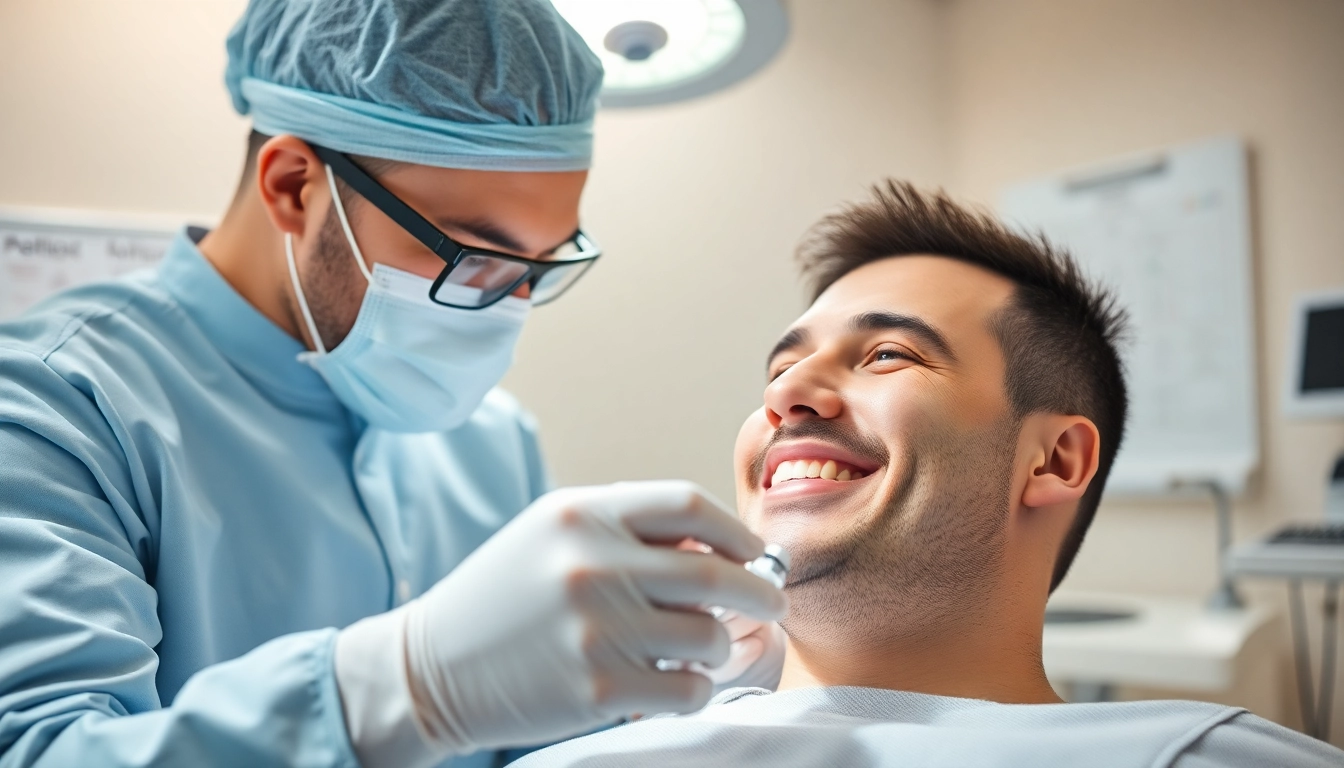
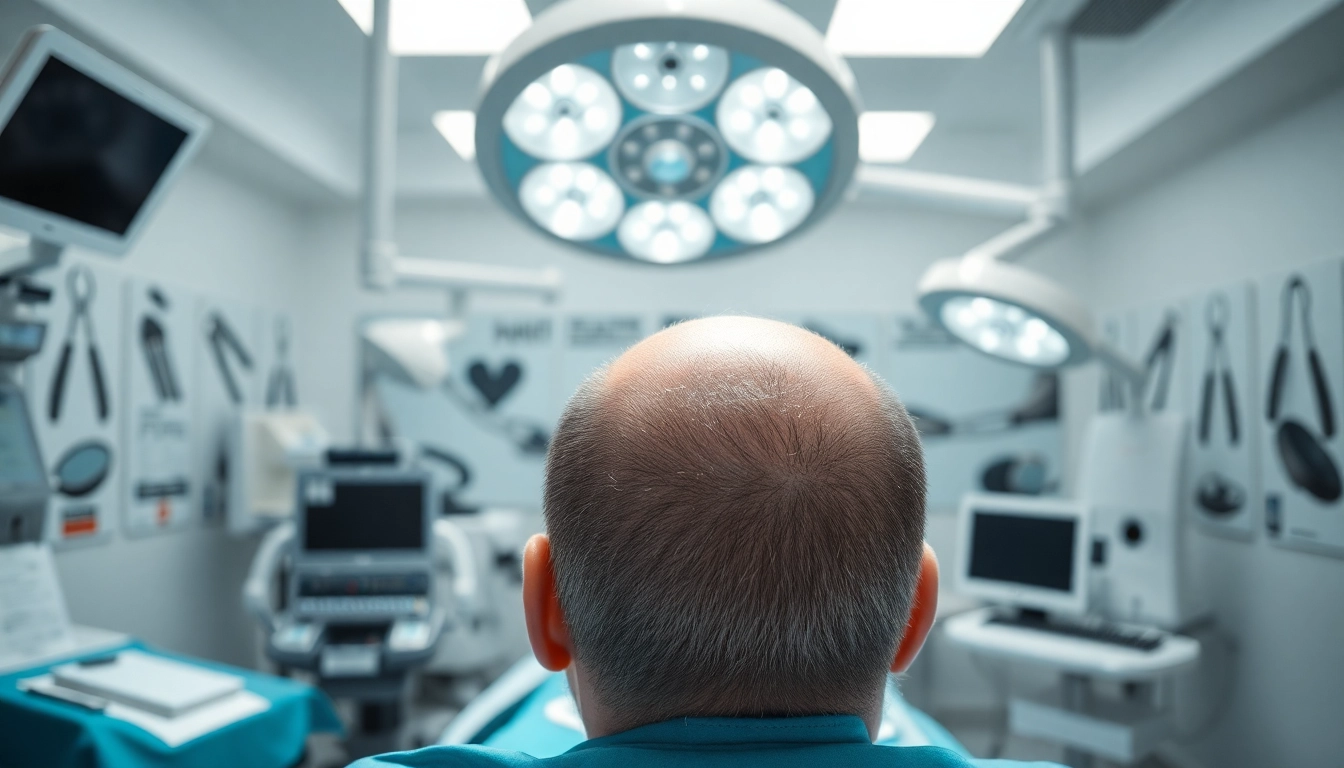
Avant et après les prix implants capillaires pour une restauration capillaire réussie.

Qu’est-ce que les implants capillaires ?

Définition et histoire des implants capillaires

Les implants capillaires, souvent appelés greffes de cheveux, sont une solution chirurgicale visant à traiter la perte de cheveux, souvent due à la calvitie androgénique ou à d’autres facteurs. Cette procédure a vu le jour dans les années 1950, mais a considérablement évolué depuis. Initialement, elle consistait à prélever de grandes bandes de cuir chevelu, mais les techniques modernes, comme la méthode FUE (Follicular Unit Extraction), n’impliquent que la collecte d’unités folliculaires individuelles. Cette technique a permis une récupération plus rapide et des résultats plus naturels.

Les différents types d’implants capillaires

Il existe plusieurs techniques d’implants capillaires, chacune avec ses propres avantages et inconvénients :

  • FUT (Follicular Unit Transplantation) : Une méthode qui prélève une bande de cuir chevelu d’une zone donneuse.
  • FUE (Follicular Unit Extraction) : Requiert l’extraction individuelle des follicules, laissant de petites cicatrices.
  • ARTAS : Une technique robotisée qui optimise les résultats et réduit les erreurs humaines.

Pourquoi choisir des implants capillaires ?

Le choix d’implants capillaires est souvent motivé par des raisons esthétiques. Nombreux sont ceux qui souhaitent retrouver une chevelure dense et naturelle. En plus de l’aspect esthétique, cette chirurgie peut également améliorer la confiance en soi et réduire l’anxiété liée à la présentation personnelle.

Facteurs influençant les prix implants capillaires

Qualification et expérience du praticien

Le coût des implants capillaires varie considérablement en fonction de la qualification et de l’expérience du praticien. Un médecin ayant plusieurs années d’expérience dans ce domaine et une spécialisation en chirurgie esthétique demandera généralement des honoraires plus élevés. Il est essentiel de vérifier les antécédents du médecin et de consulter ses résultats antérieurs avant de se décider.

La technique utilisée pour le greffage

Le choix de la technique d’implantation affecte également le prix. Les méthodes plus avancées comme la FUE ou ARTAS, bien que plus coûteuses, peuvent offrir de meilleurs résultats avec moins de temps de récupération. En revanche, les méthodes plus anciennes comme la FUT peuvent être moins chères mais impliquent souvent une pression plus forte lors de la reconstruction des zones traitées.

Coûts des soins pré et post-opératoires

Au-delà du prix des implants capillaires eux-mêmes, il est crucial de prendre en compte les soins pré et post-opératoires. Les consultations préalables, les médicaments, et les éventuelles visites de suivi sont des coûts additionnels qui peuvent influencer le budget total consacré à cette procédure.

Comment évaluer les coûts de votre intervention

Comparer les devis des praticiens

Lorsque vous envisagez des implants capillaires, il est recommandé de comparer plusieurs devis de praticiens. Chaque professionnel peut proposer des prix différents selon son expérience, sa réputation, et la technique utilisée. Il est donc judicieux de prendre le temps de bien analyser les différentes options.

Prendre en compte le rapport qualité-prix

Lors de la comparaison des tarifs, le rapport qualité-prix doit être une priorité. Un prix élevé n’est pas toujours synonyme de qualité, tout comme un prix bas peut masquer des risques. La transparence dans les services offerts et les résultats anticipés devraient jouer un rôle clé dans votre choix.

Les implications des offres promotionnelles

Les offres promotionnelles pour les implants capillaires peuvent sembler attractives, mais il est important de faire preuve de prudence. Ces offres peuvent découler de la nécessité de remplir des créneaux d’agenda plutôt que d’un réel engagement dans la qualité des soins. Ainsi, toujours vérifier la réputation de la clinique avant de vous inscrire à une telle offre.

Les résultats attendus des implants capillaires

Durabilité des résultats

Un des principaux attraits des implants capillaires est leur durabilité. Une fois que les follicules transplantés s’établissent dans leur nouvel environnement, ils continuent à croître de manière naturelle. Cependant, le processus de croissance peut varier en fonction des individus. Au fil du temps, il est toutefois possible de devoir envisager des retouches pour maintenir l’apparence désirée.

Effets secondaires potentiels

Comme toute intervention chirurgicale, les implants capillaires ne sont pas sans risques. Les effets secondaires peuvent inclure des démangeaisons, des gonflements, et des cicatrices. En suivant les instructions du praticien pour les soins post-opératoires, ces effets peuvent être minimisés.

Avis et témoignages de patients

Les avis et témoignages de patients ayant subi une greffe de cheveux restent une source précieuse d’information. Beaucoup témoignent d’une amélioration significative de leur estime de soi. L’évaluation de ces retours vous aidera à choisir un praticien de confiance et à gérer vos attentes sur les résultats.

Questions fréquentes sur les implants capillaires

Quels sont les risques des implants capillaires ?

Les implants capillaires présentent des risques tels que l’infection, la décoloration des cheveux et la cicatrisation anormale. Une consultation préalable peut minimiser ces risques.

Combien de temps dure le processus de récupération ?

La récupération après une intervention d’implants capillaires prend généralement de 7 à 14 jours, selon la méthode utilisée et la réaction individuelle du patient.

Les résultats sont-ils permanents ?

La plupart des résultats des implants capillaires sont permanents, mais il peut y avoir besoin d’une retouche selon le type de perte de cheveux et l’âge du patient.

Y a-t-il des complications possibles ?

Comme toute intervention chirurgicale, il existe des complications possibles. Un suivi médical régulier assure une bonne guérison sans complications majeures.

Quel est le coût moyen des implants capillaires ?

Le coût moyen des implants capillaires varie largement, mais il est souvent compris entre 2,000 et 5,000 euros, en fonction de plusieurs facteurs.

Pour des informations plus détaillées sur les prix implants capillaires, il est conseillé d’effectuer des recherches approfondies et de consulter des experts médicaux dans ce domaine.

Publié le

Prix implants capillaires : Guide complet sur les tarifs et options disponibles

Illustration des prix implants capillaires et étapes d'une greffe de cheveux réussie.

Introduction aux prix implants capillaires

La perte de cheveux est une préoccupation courante qui touche de nombreux adultes, tant hommes que femmes. Face à cette situation, les prix implants capillaires deviennent un sujet de préoccupation majeur pour ceux qui envisagent une greffe de cheveux. Cet article va explorer les différentes facettes des prix liés aux implants capillaires, en examinant les coûts en France et à l’étranger, les facteurs qui influencent ces prix, ainsi que des conseils pour choisir la meilleure clinique. Nous aborderons également les méthodes de greffe existantes et fournirons des réponses aux questions fréquemment posées.

Qu’est-ce qu’un implant capillaire ?

Un implant capillaire est une intervention chirurgicale visant à restaurer la croissance des cheveux dans les zones dégarnies du cuir chevelu. Cela implique le transfert de follicules pileux d’une zone densément chevelue (zone donneuse) vers une zone clairsemée ou chauve (zone receveuse). Cette procédure permet de retrouver une chevelure naturelle et d’améliorer l’estime de soi des individus affectés par la perte de cheveux. Deux méthodes principales sont souvent utilisées : la méthode FUE (Follicular Unit Extraction) et la méthode FUT (Follicular Unit Transplantation).

Pourquoi choisir cette solution ?

Il existe plusieurs raisons pour lesquelles les individus choisissent de recourir à un implant capillaire. Tout d’abord, la greffe de cheveux est une solution durable qui peut offrir des résultats naturels, en conservant l’apparence d’une chevelure pleine. De plus, avec les avancées technologiques, les procédures sont devenues moins invasives et plus efficaces. Enfin, cette opération permet de retrouver confiance en soi et d’améliorer la qualité de vie des personnes concernées, en particulier lorsque la calvitie commence à affecter leur quotidien.

Les facteurs influençant le prix

Plusieurs éléments influencent le prix des implants capillaires. Ces facteurs incluent le nombre de greffons nécessaires, la méthode de greffe choisie, la réputation de la clinique ainsi que l’emplacement géographique. En général, plus le nombre de greffons requis est élevé, plus le coût de la procédure sera important. Les différentes techniques de greffe, comme la FUE ou la FUT, peuvent également avoir des coûts différents, cela en raison des techniques utilisées et du temps nécessaire pour réaliser l’intervention.

Comparaison des prix implants capillaires en France et à l’étranger

Les tarifs en France

En France, le prix d’une greffe de cheveux peut varier considérablement en fonction de plusieurs facteurs. En moyenne, le coût peut osciller entre 2 150 € pour 1 000 greffons, jusqu’à 8 500 € pour 2 500 greffons. Ces tarifs varient selon la clinique, la méthode choisie et le spécialiste. Par exemple, une intervention utilisant la méthode DHI (Direct Hair Implantation) peut coûter entre 3 900 € et 9 900 €, en fonction de la complexité de l’opération.

Les tarifs à l’international

À l’international, les prix des greffes de cheveux peuvent être beaucoup moins élevés, attirant ainsi de nombreux patients vers des pays comme la Turquie, où le coût peut commencer à partir de 2 150 €. Des cliniques en Hongrie et en Tunisie proposent également des interventions à des tarifs compétitifs. Cependant, il est essentiel de bien évaluer la qualité des soins et la réputation des cliniques à l’étranger avant de prendre une décision, car le prix bas ne garantit pas toujours un service de qualité.

Avantages et inconvénients

Les greffes de cheveux à l’étranger peuvent offrir un excellent rapport qualité-prix, mais il existe également des inconvénients potentiels, tels que la barrière linguistique, le suivi post-opératoire limité, et l’incertitude quant aux normes de soins. En revanche, choisir une clinique dans son pays peut offrir une plus grande tranquillité d’esprit, bien que cela coûte souvent plus cher. Les patients doivent peser le pour et le contre en fonction de leurs priorités et de leur budget.

Facteurs varient les tarifs des implants capillaires

Le nombre de greffons nécessaires

Le premier facteur déterminant le prix d’une greffe de cheveux est le nombre de greffons nécessaires. Une alopécie plus avancée nécessitera plus de greffons, ce qui augmentera le coût total. Les prix varient généralement selon le nombre de greffons, avec des tarifs pouvant aller de 2 150 € pour 1 000 greffons à 8 500 € pour 3 000 greffons. Le calcul du nombre de greffons nécessaires dépend de la surface à traiter et de l’épaisseur des cheveux.

La méthode de greffe choisie

Les méthodes de greffe de cheveux, comme mentionné précédemment, influencent grandement le coût. La méthode FUE est généralement plus coûteuse en raison de sa complexité et du temps qu’elle nécessite. La méthode FUT peut parfois être moins chère, mais elle laisse une cicatrice plus visible sur la zone donneuse. Les patients doivent choisir une méthode qui répond à leurs besoins esthétiques et à leur budget.

La réputation de la clinique

La réputation de la clinique et du chirurgien peut également influer sur les prix. Les cliniques bien établies avec des accréditations reconnaissables peuvent facturer des tarifs plus élevés en raison de la qualité supérieure des soins et de l’expertise des médecins. Les patients doivent rechercher des cliniques ayant de bonnes références et témoignages pour s’assurer de la qualité des soins reçus.

Comment choisir la meilleure clinique pour vos implants capillaires

Évaluation des prix et des services

Avant de choisir une clinique, il est essentiel de réaliser une évaluation des prix et des services proposés. Cela inclut la comparaison des tarifs des greffes de cheveux ainsi que les services additionnels tels que les consultations préliminaires, le suivi post-opératoire et l’assistance à l’hébergement si la clinique est à l’étranger. Une fois que vous avez compilé une liste des cliniques intéressantes, voyez quelles sont celles qui offrent le meilleur rapport qualité/prix.

Les avis des patients

Les avis des patients sont une source précieuse d’informations sur la qualité des soins dans une clinique. Consultez les témoignages en ligne, les forums de discussion, et éventuellement demandez des références directes si cela est possible. L’expérience d’anciens patients peut vous éclairer sur le processus, les résultats obtenus et le niveau de satisfaction global vis-à-vis de la clinique.

Les certifications et accréditations

Assurez-vous que la clinique choisie possède des certifications et des accréditations reconnues. Cela garantit que les installations respectent les normes de sécurité et que le personnel médicinal est qualifié. Les cliniques qui sont membres d’associations professionnelles peuvent également offrir des garanties supplémentaires quant à la qualité des soins.

FAQ sur les prix implants capillaires

Quel est le prix moyen d’une greffe de cheveux ?

Le prix moyen d’une greffe de cheveux en France varie entre 2 150 € pour des greffes de 1 000 greffons, jusqu’à 8 500 € pour des greffes de 3 000 greffons, selon la clinique et la méthode utilisée.

Qu’est-ce qui influence le coût ?

Le coût est influencé par le nombre de greffons nécessaires, la méthode de greffe choisie, la réputation de la clinique, et l’emplacement géographique de celle-ci.

Combien de temps dure la procédure ?

La durée de la procédure dépend du nombre de greffons à implanter, mais elle peut généralement prendre entre 4 à 8 heures, selon la technique utilisée.

Est-ce que le prix inclut le suivi post-opératoire ?

Cela dépend de la clinique. Certaines cliniques incluent le suivi post-opératoire dans le prix initial, tandis que d’autres le facturent séparément. Il est important de vérifier les détails avant de s’engager.

Peut-on financer une greffe de cheveux ?

Oui, de nombreuses cliniques offrent des options de financement ou de paiement échelonné pour les greffes de cheveux, rendant la procédure plus accessible.

Publié le

Effective Strategies for Optimal Health and Wellness

Health

Understanding Health and Well-being

Health is often perceived merely as the absence of disease; however, a more holistic view encompasses physical, mental, and social well-being. This section delves into the true essence of health, the various dimensions it encompasses, and the critical role of preventive healthcare in achieving a well-rounded life.

Defining Health: Beyond the Absence of Disease

According to the World Health Organization (WHO), health is defined as a state of complete physical, mental, and social well-being and not merely the absence of disease or infirmity. This comprehensive definition acknowledges that health is multifaceted and influenced by a variety of factors, including genetics, environment, lifestyle choices, and access to healthcare.

For instance, consider a working professional who appears physically fit but struggles with anxiety and social isolation. This individual may not be classified as “unhealthy” in the traditional sense, yet their mental and social well-being significantly impacts their overall health. Hence, a broader understanding of health is essential for fostering well-being and quality of life.

The Dimensions of Health: Physical, Mental, and Social

Health can be categorized into three primary dimensions: physical, mental, and social. Each dimension interrelates and contributes to overall well-being.

  • Physical Health: Involves bodily functions and the absence of illness. It can be maintained through regular exercise, a balanced diet, and adequate sleep.
  • Mental Health: Encompasses emotional and psychological well-being. It entails how individuals think, feel, and behave, influencing their ability to cope with stress and relate to others.
  • Social Health: Refers to the relationships and social networks an individual has. Strong social connections can enhance emotional health and provide support in times of need.

Achieving balance among these dimensions is crucial. For example, engaging in physical activity not only improves physical health but also boosts mental well-being and fosters social connections when done in group settings.

The Importance of Preventive Health Care

Preventive healthcare emphasizes the importance of early detection and prevention of diseases, ultimately leading to longer, healthier lives. According to the Centers for Disease Control and Prevention (CDC), preventive measures, such as vaccinations, screenings, and lifestyle modifications, could save thousands of lives each year.

For instance, regular screenings for conditions like high blood pressure, diabetes, and certain cancers can lead to early intervention and management, reducing morbidity and mortality rates. Additionally, promoting healthy lifestyle choices—such as quitting smoking, maintaining a balanced diet, and engaging in regular physical activity—can prevent the onset of chronic diseases.

In essence, preventive healthcare is not just a reactive measure; it is a proactive approach that empowers individuals to take control of their health.

Nutrition and Its Impact on Health

Nutrition is a fundamental component of health, influencing nearly every aspect of physical and mental well-being. Understanding the role of various nutrients and how to plan meals effectively can lead to improved health outcomes.

The Role of Macronutrients and Micronutrients

Macronutrients and micronutrients are essential for growth, development, and overall health. Macronutrients include carbohydrates, proteins, and fats, while micronutrients consist of vitamins and minerals.

  • Carbohydrates: The body’s primary energy source, found in foods such as grains, fruits, and vegetables. Complex carbohydrates, such as whole grains, provide sustained energy and fiber, which aids digestion.
  • Proteins: Vital for tissue repair and muscle building, proteins can be sourced from both animal (meat, dairy) and plant (beans, nuts) origins. Adequate protein intake is crucial, especially for active individuals.
  • Fats: Necessary for hormone production and nutrient absorption, healthy fats (found in avocados, nuts, and olive oil) should be prioritized over saturated and trans fats.
  • Vitamins and Minerals: Micronutrients, though required in smaller amounts, are essential for various bodily functions, including immunity, bone health, and metabolic processes. For example, vitamin D supports bone health, while vitamin C is crucial for immune function.

Incorporating a variety of foods from all food groups ensures a balanced intake of macronutrients and micronutrients, contributing to overall health.

Understanding Dietary Guidelines and Food Labels

Dietary guidelines provide evidence-based recommendations to help individuals make informed food choices. For instance, the Dietary Guidelines for Americans suggest a diet rich in fruits, vegetables, whole grains, lean proteins, and healthy fats while limiting added sugars, sodium, and saturated fats.

Additionally, understanding food labels can empower consumers to make healthier choices. Key components of food labels include:

  • Serving Size: Indicates the amount of food that is typically consumed, which helps in understanding portion control.
  • Calories: The total number of calories per serving, which is crucial for managing weight.
  • Nutrients: Lists essential nutrients, including fat, sodium, carbohydrates, and protein. Pay particular attention to the % Daily Value (%DV), which helps gauge if a food is high or low in a specific nutrient.
  • Ingredients List: Ingredients are listed in descending order by weight, allowing consumers to identify the primary components of a product.

By understanding dietary guidelines and food labels, individuals can make healthier food choices that align with their nutritional needs and health goals.

Practical Meal Planning for Balanced Nutrition

Meal planning is an effective strategy to ensure balanced nutrition. Here are practical steps to create a meal plan:

  1. Assess Nutritional Needs: Consider age, sex, activity level, and health conditions to determine your specific nutritional requirements.
  2. Set Goals: Identify short-term and long-term health goals, such as weight loss, muscle gain, or improving overall wellness.
  3. Create a Weekly Menu: Plan meals and snacks for the week, incorporating a variety of food groups. Aim for balance across macronutrients while ensuring adequate micronutrient intake.
  4. Make a Shopping List: Based on your meal plan, create a shopping list to avoid impulse purchases and ensure you have all necessary ingredients.
  5. Prep Ahead: Prepare meals or components in advance. For instance, batch-cook grains or roast vegetables, making it easier to assemble healthy meals throughout the week.

Meal planning not only saves time and reduces food waste but also promotes healthier eating habits and supports overall health.

Physical Activity: A Cornerstone of Health

Regular physical activity is vital for maintaining health and well-being. It benefits not only the body but also the mind, enhancing quality of life and longevity.

The Benefits of Regular Exercise on Physical and Mental Health

The benefits of regular exercise are extensive and well-documented. According to the CDC, engaging in at least 150 minutes of moderate-intensity aerobic activity weekly can significantly reduce the risk of chronic diseases, including heart disease, diabetes, and obesity.

Moreover, exercise has profound effects on mental health. Physical activity releases endorphins, known as “feel-good” hormones, which can alleviate symptoms of depression and anxiety. A study published in the journal JAMA Psychiatry found that individuals who engaged in regular physical activity had a lower risk of developing depression.

In summary, regular exercise promotes:

  • Improved cardiovascular health
  • Better weight management
  • Enhanced mental clarity and mood
  • Stronger bones and muscles
  • Increased longevity

Types of Exercise: Aerobic, Strength, and Flexibility

Understanding the different types of exercise is crucial for creating a well-rounded fitness routine. The three main categories are:

  • Aerobic Exercise: Activities that increase heart rate and breathing, such as walking, running, cycling, and swimming. Aerobic exercise improves cardiovascular endurance and burns calories.
  • Strength Training: Involves resistance exercises that promote muscle growth and strength. This can include weightlifting, bodyweight exercises, or resistance band workouts. Strength training is essential for maintaining muscle mass and bone density as we age.
  • Flexibility and Balance: Exercises that enhance the range of motion and stability, such as yoga and stretching. Flexibility exercises can prevent injuries and improve posture.

Incorporating a mix of all three types of exercise into a weekly routine maximizes health benefits and keeps workouts engaging.

Creating a Sustainable Exercise Routine

To reap the benefits of physical activity, it is essential to create a sustainable exercise routine that fits individual lifestyles. Here are steps to design a personalized workout plan:

  1. Set Realistic Goals: Start with achievable goals, such as exercising for 20-30 minutes a few times a week, and gradually increase intensity and duration.
  2. Choose Activities You Enjoy: Engage in activities that you find fun and rewarding. This increases the likelihood of sticking with the routine.
  3. Schedule Workouts: Treat exercise like an appointment. Schedule specific times for workouts to establish consistency.
  4. Mix It Up: Incorporate variety to prevent boredom and work different muscle groups. This can include alternating between cardio, strength training, and flexibility exercises.
  5. Track Progress: Use fitness apps or journals to track workouts and progress. This can motivate and help identify areas needing improvement.

By following these steps, individuals can create a sustainable exercise routine that promotes a healthy lifestyle and enhances overall well-being.

Mental Health: Recognizing and Managing Mental Wellness

Mental health is an integral aspect of overall health, influencing how individuals think, feel, and behave. It is essential to recognize mental health disorders and implement strategies for effective management.

Common Mental Health Disorders and Their Symptoms

Mental health disorders are prevalent and can affect anyone, regardless of age or background. Some common disorders include:

  • Depression: Symptoms may include persistent sadness, loss of interest in activities, fatigue, changes in appetite, and difficulty concentrating.
  • Anxiety Disorders: Characterized by excessive worry, restlessness, rapid heartbeat, and avoidance behaviors.
  • Bipolar Disorder: Involves extreme mood swings, including manic highs and depressive lows.
  • Obsessive-Compulsive Disorder (OCD): Characterized by unwanted thoughts (obsessions) and repetitive behaviors (compulsions).

Understanding these disorders is crucial for early identification and intervention, which can significantly improve outcomes.

Strategies for Stress Management and Resilience Building

Stress management is vital for maintaining mental wellness. Here are effective strategies:

  • Mindfulness and Meditation: Practices that help individuals stay present and reduce anxiety. Mindfulness meditation has been shown to decrease stress and improve emotional well-being.
  • Physical Activity: Regular exercise reduces stress hormones and increases endorphins, promoting a positive mood.
  • Healthy Coping Mechanisms: Engage in activities that provide relaxation and enjoyment, such as hobbies, reading, or spending time with loved ones.
  • Time Management: Prioritize tasks and set realistic goals to reduce feelings of overwhelm.

Building resilience— the ability to bounce back from stress— is equally important. This involves fostering a positive mindset, developing strong social connections, and seeking support when needed.

The Role of Therapy and Support Systems in Mental Health

Therapy plays a crucial role in managing mental health disorders. Various therapeutic approaches, such as cognitive-behavioral therapy (CBT), can help individuals understand and change negative thought patterns and behaviors. Seeking professional help is a sign of strength, not weakness.

Support systems, including friends, family, and support groups, also play a vital role in mental health. Connecting with others who share similar experiences can provide comfort and reduce feelings of isolation. For example, support groups for individuals dealing with depression allow members to share their stories and coping strategies, fostering a sense of community.

Combining therapy with a robust support system can lead to improved mental health outcomes and a better quality of life.

Advanced Strategies for Holistic Health Improvement

As the understanding of health evolves, advanced strategies for holistic health improvement are gaining traction. These approaches consider the interconnectedness of physical, mental, and social well-being.

Integrative Approaches: Combining Conventional and Alternative Medicine

Integrative health approaches combine conventional medical treatments with alternative therapies to provide comprehensive care. This may include combining medication with practices such as acupuncture, yoga, or herbal supplements.

For instance, a patient with chronic pain might benefit from physical therapy (conventional) alongside acupuncture (alternative) to manage symptoms effectively. Research published in the Journal of Pain suggests that integrative approaches can enhance pain relief and improve patient satisfaction.

When considering integrative approaches, it is essential to consult healthcare professionals to ensure safety and efficacy.

The Impact of Lifestyle Choices on Long-term Health Outcomes

Lifestyle choices significantly influence long-term health outcomes. Adopting healthy habits, such as regular exercise, balanced nutrition, and stress management, can reduce the risk of chronic diseases and enhance overall quality of life.

For example, research indicates that individuals who maintain a healthy weight, do not smoke, and engage in regular physical activity can reduce their risk of heart disease by up to 80%. Conversely, poor lifestyle choices, such as a sedentary lifestyle, unhealthy eating, and substance abuse, can lead to obesity, diabetes, and cardiovascular diseases.

Making informed choices today lays the foundation for a healthier future.

Emerging Trends in Health Technology and Personal Health Monitoring

The rise of health technology is transforming how individuals monitor and manage their health. Wearable devices, such as fitness trackers and smartwatches, enable users to track physical activity, heart rate, and sleep patterns in real-time.

Additionally, telehealth services have gained popularity, allowing individuals to consult healthcare professionals remotely. This is particularly beneficial for those in rural areas or with mobility challenges.

Data collected from health technology can provide valuable insights into personal health and help individuals make informed decisions. For example, a person who notices a decrease in their physical activity levels can adjust their routine to maintain or improve their fitness.

As technology continues to evolve, it will play an increasingly critical role in promoting health and well-being.

Publié le

Understanding Depression Symptoms: Key Indicators and Effective Coping Mechanisms

Visual representation of depression symptoms featuring a person contemplatively seated in a park.

What are Depression Symptoms?

Defining the Concept

Depression is a complex mental health condition characterized by a range of emotional and physical symptoms that significantly impact an individual’s daily life. Understanding the depression symptoms is crucial not only for personal awareness but also for recognizing when to seek help. While a common misconception is that depression merely involves feeling sad, it often encompasses feelings of hopelessness, worthlessness, and despair.

Clinically recognized as a mood disorder, depression can manifest in diverse ways, sometimes displaying itself differently in men, women, and children. Identifying these symptoms early can make a decisive difference in treatment outcomes and overall quality of life.

Emotional and Physical Indicators

Depression symptoms can be broadly categorized into emotional and physical indicators. Emotional symptoms include persistent sadness, irritability, and anxiety, while physical symptoms may manifest as fatigue, sleep disturbances, and changes in appetite. Understanding these indicators enables individuals and their loved ones to identify depression more readily and take appropriate action.

Difference Between Symptoms and Diagnosis

Recognizing depression symptoms is a critical first step, but it is essential to differentiate between experiencing these symptoms and receiving a formal diagnosis. Diagnosis typically involves a comprehensive evaluation by a mental health professional, taking into account the severity and duration of symptoms alongside their impact on daily functioning.

Common Emotional Depression Symptoms

Persistent Sadness and Hopelessness

One of the hallmark emotional symptoms of depression is an enduring sense of sadness and hopelessness. This feeling may not always correlate with external circumstances, making it challenging for individuals to articulate the source of their distress. It can lead to a pervasive sense of despair that colors every aspect of life, from personal relationships to professional endeavors.

Loss of Interest in Activities

Individuals experiencing depression often find themselves losing interest in activities they once enjoyed. This anhedonia—reduced ability to experience pleasure—means that hobbies, social engagements, or even simple daily tasks become burdensome. This loss can exacerbate feelings of loneliness and isolation, further deepening the depressive state.

Changes in Mood and Behavior

Depression can lead to noticeable changes in mood and behavior. Those affected may exhibit increased irritability, frustration, or mood swings, which can strain relationships. Behavioral changes might include withdrawal from social interactions, a decline in work performance, or neglecting personal responsibilities, which can further reinforce feelings of inadequacy and low self-worth.

Recognizing Physical Depression Symptoms

Sleep Disturbances and Fatigue

Physical symptoms often accompany emotional struggles during depression. Many individuals experience disturbances in their sleep patterns, either struggling to fall asleep or waking frequently throughout the night. This disruption leads to chronic fatigue, compounding the emotional toll of depression and making it difficult to engage in daily activities.

Changes in Appetite and Weight

Another common physical symptom involves either an increase or decrease in appetite. Some may experience weight loss due to a lack of desire to eat, while others may seek solace in food, leading to weight gain. These fluctuations can have significant implications for physical health, self-esteem, and overall mental well-being.

Psychomotor Agitation or Retardation

Psychomotor symptoms can manifest as either agitation or retardation, reflecting the contrasting ways depression affects individuals. Agitation may present as restlessness or an inability to sit still, while retardation may result in slowed speech, movement, or thought processes, reflecting the internal struggle faced during depressive episodes.

When to Seek Help for Depression Symptoms

Warning Signs of Severe Depression

Recognizing the signs of severe depression is crucial for effective intervention. Warning signs may include prolonged feelings of hopelessness, thoughts of self-harm, or a significant decline in daily functioning. It is vital for individuals experiencing these symptoms to seek professional help immediately. Early intervention can substantially improve treatment outcomes and quality of life.

Types of Health Professionals to Consult

When facing worsening depression symptoms, various healthcare professionals can provide assistance. Psychiatrists, psychologists, and licensed counselors specialize in diagnosing and treating depression. It may also be beneficial to consult a primary care physician to rule out any underlying medical conditions that could contribute to emotional distress.

Importance of Early Intervention

Early intervention plays a key role in the treatment of depression, often leading to better outcomes. Timely access to mental health resources can help prevent symptoms from escalating, thereby reducing the risk of developing chronic depression or other mental health disorders. Encouraging open conversations about mental health and reducing stigma can promote earlier self-reporting and access to necessary care.

Managing and Coping with Depression Symptoms

Lifestyle Changes to Alleviate Symptoms

Individuals can adopt several lifestyle changes to manage depression symptoms effectively. Regular physical activity, a balanced diet, and adequate sleep can positively impact mood and emotional well-being. Mindfulness practices such as meditation, yoga, or deep breathing exercises can also provide significant relief from symptoms, fostering a sense of inner peace and balance.

Therapeutic Approaches and Their Benefits

Therapeutic interventions, such as cognitive-behavioral therapy (CBT) or interpersonal therapy (IPT), have shown efficacy in treating depression. These therapies provide tools and strategies to help individuals reframe negative thought patterns, enhance coping mechanisms, and improve interpersonal relationships. The support and accountability a therapist provides can be invaluable for those feeling isolated.

Support Systems and Resources Available

A robust support system can significantly impact the management of depression symptoms. Friends, family, and support groups can provide a network for sharing experiences and feelings, reducing the burden of isolation. Additionally, various resources such as helplines, online forums, and community programs can offer guidance and support for those navigating depression.

Frequently Asked Questions

What are the most common depression symptoms?

Common symptoms include persistent sadness, loss of interest in activities, fatigue, sleep disturbances, and changes in appetite.

How does depression differ from normal sadness?

While sadness is a common human emotion, depression is a prolonged state that affects daily functioning and quality of life.

Can physical health impact depression symptoms?

Yes, physical health issues can exacerbate or contribute to depression symptoms, highlighting the importance of comprehensive care.

Is it possible to recover from depression?

Absolutely. With appropriate treatment and support, many individuals can manage and recover from depression symptoms effectively.

When should I seek professional help for depression?

Seek help if you notice persistent symptoms worsening, experiencing thoughts of self-harm, or when these symptoms interfere significantly with your daily life.

Publié le

Legal Ways to Buy DMT in Colorado: Your Comprehensive Guide

Buy DMT in Colorado with vape products displayed in a professional cannabis dispensary.

Understanding DMT and Its Legal Status in Colorado

What is DMT?

Dimethyltryptamine (DMT) is a powerful psychedelic compound found naturally in various plants and animals. It’s renowned for inducing intense and often transformative experiences, commonly described as « trips. » DMT operates primarily on serotonin receptors in the brain, influencing perception, mood, and cognitive functions. Users often report vivid visual and auditory hallucinations, as well as profound insights related to consciousness and spirituality. Unlike other psychedelics, such as LSD or psilocybin, DMT’s effects are typically brief, lasting from 15 to 60 minutes when smoked or vaporized. This rapid onset and conclusion provide a unique avenue for exploration without the long-lasting effects of other psychedelics.

Legal Framework for DMT in Colorado

Colorado has made significant strides in drug reform, particularly regarding psychedelics. Under the Natural Medicine Health Act, passed by voters, the personal use and possession of DMT, along with other natural psychedelics, are now legal for adults aged 21 and over. This law emphasizes a shift towards understanding the therapeutic potential of psychedelics while promoting safe usage guidelines. However, despite the legal allowances, distribution for recreational use remains complex, often falling under gray areas of the law, especially concerning sales and advertising. Nevertheless, the decriminalization of DMT signifies a progressive approach, giving room for education and responsible exploration of its benefits in mental health and personal growth.

Age Restrictions and Legal Use

To utilize DMT legally in Colorado, individuals must be 21 years or older. This age restriction aims to prevent misuse among younger populations, who may be at a higher risk for both psychological and developmental issues resulting from psychedelic use. Legal use includes possessing, consuming, and sharing DMT among adults but does not extend to any form of commercial sales or distribution outside designated legal frameworks. Users are encouraged to approach DMT with caution and responsibility, ensuring they are informed about the compound’s effects and the legal stipulations surrounding its use.

Where to Buy DMT in Colorado

Approved Dispensaries

As DMT’s legal status evolves, approved dispensaries are starting to emerge. While the sale of DMT may not be as widespread as that of other psychedelics like mushrooms, some dispensaries are beginning to offer DMT products infused into edible forms or vape cartridges. It’s crucial for consumers to verify the legality and quality of these products. Additionally, they should ensure that these dispensaries comply with health and safety regulations as they navigate this newly emerging market.

Online Retailers and Delivery Services

In an increasingly digital age, online retailers also provide an avenue for individuals seeking to buy dmt in colorado. The online marketplace offers various forms of DMT products, from pure crystalline extracts to infused edibles and vape products. Consumers must exercise caution when ordering online, ensuring they are purchasing from reputable sellers who are transparent about their sourcing, lab testing, and product composition. With the rise of legal frameworks, the reliability of these sellers should improve, but vigilance is still necessary.

Community Resources for Finding DMT

Community resources and support networks increasingly play a pivotal role in the responsible use of DMT. Various online forums, local meetups, and educational workshops help guide individuals through their DMT experiences, offering guidance based on shared experiences and insights. Additionally, organizations dedicated to psychedelic research often provide resources on where to find legal DMT, community events focusing on integration, and support networks for users looking to understand their experiences better. This community involvement not only fosters a supportive environment but also prioritizes safety and responsible usage.

Safety and Health Considerations

Potential Risks and Side Effects

While DMT can yield profound benefits, it is essential to acknowledge its potential risks and side effects. These can include physiological effects such as elevated heart rate, increased blood pressure, and anxiety. Mental health effects may manifest as altered perceptions of reality, which can sometimes lead to disorientation or difficulty distinguishing between the experience and reality afterward. Additionally, individuals with a personal or family history of mental health issues should approach DMT with caution, as it may exacerbate these conditions. Therefore, an informed and cautious approach to DMT use is crucial to minimize potential risks.

How to Use DMT Responsibly

To ensure a safe experience, users must adopt a responsible approach to using DMT. This includes preparing a suitable environment that is calm and safe, ideally with a trusted friend present. It’s beneficial to engage in pre-trip discussions to set intentions and clarify expectations. Moreover, users should inform themselves about dosage, starting with lower amounts to gauge sensitivity to the substance. Documenting experiences through journaling can also facilitate integration and understanding of the trip. Furthermore, engaging in post-experience discussions with peers can offer valuable insights and promote learning.

Tips for a Safe Experience

Ensuring safety during a DMT experience hinges on several factors. Firstly, users should set their physical and emotional environments to foster comfort and security. This could include soft lighting, soothing music, or engaging in mindfulness practices beforehand. Secondly, choosing a quality source for DMT, safeguarding against adulterated products, is vital. Additionally, users should consider incorporating breathwork or meditation techniques to ground themselves during intense moments. Finally, avoid mixing DMT with other substances which could amplify side effects or unpredictability, ensuring a clearer experience and facilitating safer exploration.

Integrating DMT into Your Wellness Routine

Therapeutic Uses of DMT

Research surrounding the therapeutic potential of DMT is growing. It has been linked to various mental health benefits, particularly in treating conditions like depression, anxiety, and PTSD. By engaging in guided experiences or integration therapy following usage, users can process and understand their experiences, embedding insights into their daily lives. Community-oriented programs further provide connections to mental health professionals open to working with psychedelics, offering personalized applications of DMT for therapeutic purposes.

Combining DMT with Other Natural Substances

Some users explore the combination of DMT with other natural substances, such as ayahuasca, a traditional brew that incorporates DMT-containing plants and has been used in indigenous rituals. However, integrating these substances requires in-depth knowledge and respect for their unique properties and effects. Each combination has distinct psychological profiles, and users should conduct thorough research and ideally consult with experts before attempting such integrations. Responsible combination can lead to enriched experiences, provided users are informed and careful.

Personal Accounts and Experiences

Personal accounts of DMT usage often highlight its transformative potential. Users frequently report deep introspective journeys that catalyze significant personal change, enhance emotional resilience, and promote a greater understanding of self and reality. Sharing these experiences through community forums and gatherings encourages openness and normalizes the discussion around psychedelics. Such exchanges can also bolster education on integration strategies, offering pathways to apply insights gleaned from experiences in everyday life.

FAQs About Buying DMT in Colorado

Can you legally buy DMT?

Yes, DMT is legally recognized in Colorado for personal use and possession by individuals aged 21 and over. However, its commercial sale remains restricted under current laws.

What forms of DMT are available?

DMT is often available in various forms, including smokeable crystal, vape cartridges, and DMT-infused edibles, catering to diverse user preferences.

Do I need a prescription to buy DMT?

No, a prescription is not required to buy DMT in Colorado. However, individuals must be 21 or older to possess and use it legally.

What should I know before using DMT?

Before using DMT, research its effects, possible risks, and the importance of safe environments. Start with low doses and consider potential mental health impacts.

Where can I find more information on DMT?

Information on DMT can be found through community groups, educational resources, and dedicated psychedelic forums. Online platforms provide valuable resources for new users.

Publié le

Viktiga hudvårdstips för känslig hud 2025

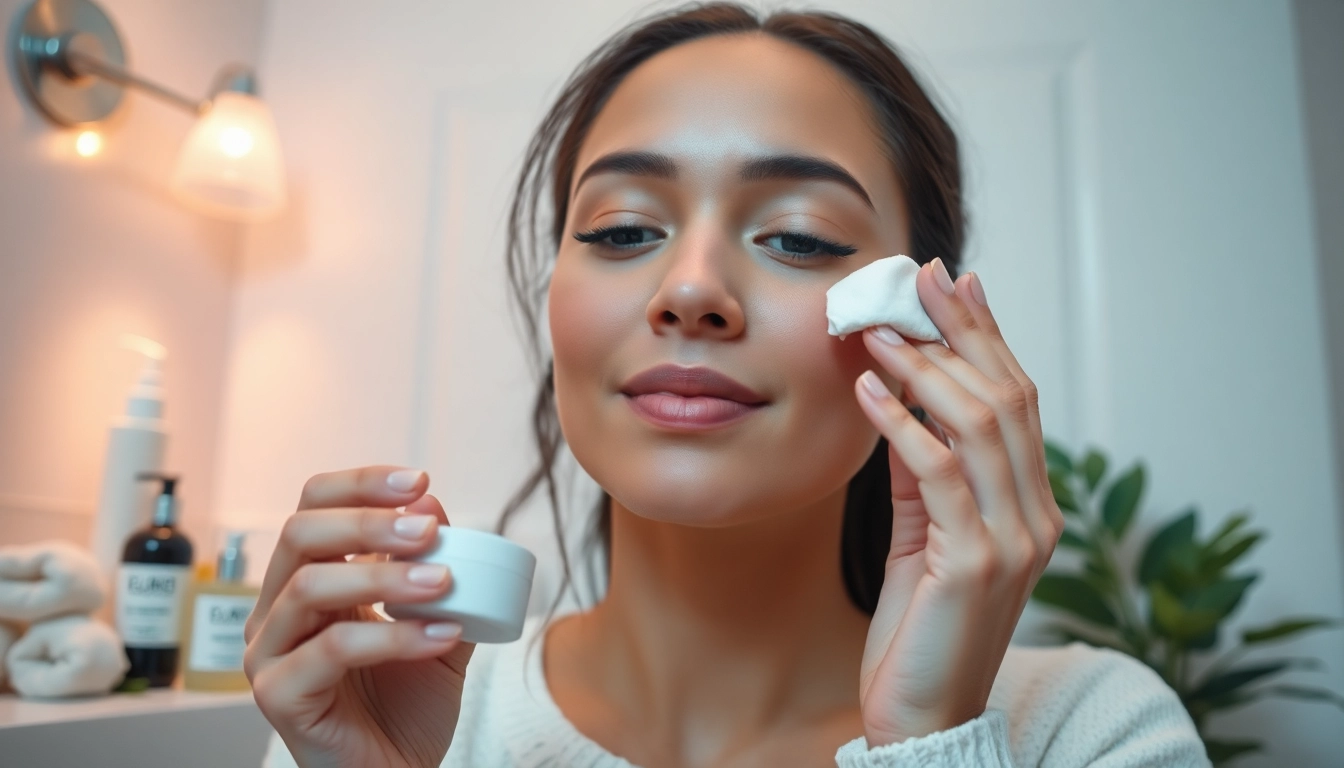
Effektiv hudvård för känslig hud visas i en lugn egenvårdsrutin.

Att förstå känslig hud

Känslig hud är ett allt vanligare bekymmer som drabbar många människor. När huden reagerar på yttre stimuli som temperaturförändringar, kosmetika eller kost kan det leda till obehagliga symptom som rodnad, klåda och torrhet. För dig som letar efter hudvård för känslig hy är det viktigt att förstå din huds specifika behov och vilka produkter som kan hjälpa till att återställa balansen.

Vad kännetecknar känslig hud?

Känslig hud kan kännetecknas av flera symptom, inklusive rodnad, torra fläckar, klåda och en brännande känsla. Den kan också vara mer reaktiv än normal hud, vilket innebär att den lättare reagerar på produkter eller miljöfaktorer. Ofta är känslig hud tunnare och har en svagare barriärfunktion, vilket gör den mer mottaglig för irritation.

Vanliga utlösare för känslighet

Det finns flera faktorer som kan utlösa känslighet i huden. Några av de vanligaste inkluderar:

  • Framträdande väderförhållanden som kyla eller stark värme
  • Harsh hudvårdsprodukter med alkohol eller doftämnen
  • Stress och hormonella förändringar
  • En ohälsosam kost med hög sockerhalt eller bearbetade livsmedel
  • Miljöföroreningar och UV-strålning

Tecken på att huden behöver särskild vård

Det är viktigt att känna igen när din hud behöver mer omtanke. Tecken som konstant rodnad, klåda eller att huden känns stram och obehaglig tyder på att du bör justera din hudvårdsrutin. Att notera dessa symptom tidigt kan förebygga mer allvarliga problem som eksem eller dermatit.

Att välja rätt produkter

Valet av hudvårdsprodukter är avgörande för att vårda känslig hud. Att använda milda och skonsamma produkter utan irriterande ingredienser är en god start.

Viktiga ingredienser för känslig hud

För att stödja och vårda känslig hud är det viktigt att välja produkter med lugnande och återfuktande ingredienser. Några av de mest rekommenderade inkluderar:

  • Aloe Vera: Känd för sina lugnande egenskaper och förmåga att fuktighetsbevara.
  • Kamomill: En naturlig ingrediens som kan minska inflammation och irritation.
  • Sheasmör: En rik källa till fukt som hjälper till att stärka hudens barriär.
  • Hyaluronsyra: En kraftfull fuktbindande ingrediens som hjälper till att hålla huden återfuktad.

Produkter att undvika: Vad som gör mer skada än nytta

Det finns vissa ingredienser som bör undvikas i produkter för känslig hy, eftersom de kan orsaka irritation. Dessa inkluderar:

  • Alkohol och starka astringenter
  • Parfymer och färgämnen
  • Hårda exfolierare som skrubbkornen
  • Retinoider och syror i hög koncentration

Topprekommendationer för milda formuleringar

När det kommer till att välja produkter, se till att de är speciellt formulerade för känslig hud. Populära val inkluderar varumärken som Cetaphil, La Roche-Posay och Dermalogica. Dessa produkter är ofta dermatologiskt testade och bevisat skonsamma mot huden.

Att etablera en hudvårdsrutin

En konsekvent hudvårdsrutin är avgörande för att hålla känslig hud i balans. Att följa vissa steg kan förebygga irritation och förbättra hudens allmänna hälsa.

En steg-för-steg-guide för känslig hud

  1. Rengöring: Använd en mild, oparfymerad rengöring för att ta bort smuts utan att torka ut huden.
  2. Återfuktning: Applicera en lugnande fuktighetskräm medan huden fortfarande är något fuktig.
  3. Skydd: Använd solskydd dagligen för att skydda huden mot skadliga UV-strålar.

Dag- och nattlig hudvård: vad är skillnaden?

Dagvård bör fokusera på att skydda huden och ge fukt, medan nattvården kan vara mer reparativ. Nattprodukter kan innehålla aktiva ingredienser som hjälper huden att återhämta sig under sömnen.

Vikten av konsekvent hudvård

Att vara konsekvent med sin hudvårdsrutin är nyckeln till framgång. Ge produkterna tid att verka och se till att du anpassar rutinen efter hudens föränderliga behov.

Hemmedel och naturliga lösningar

För vissa kan naturliga lösningar erbjuda en effektiv och mild väg till hudvård. Att använda hemgjorda behandlingar är ett populärt alternativ.

Hur man säkert använder naturliga ingredienser

Naturliga ingredienser kan vara kraftfulla, men de ska alltid användas med försiktighet. Gör ett lapptest först för att se om huden reagerar negativt på en ny ingrediens.

Gör-det-själv hudvårdsbehandlingar för känslig hud

En enkel hemgjord ansiktsmask kan göras med honung och havregryn, som båda är kända för sina lugnande och fuktgivande egenskaper. Blanda några matskedar av varje och applicera på ansiktet i 10-15 minuter innan du sköljer bort med ljummet vatten.

Integrera hemmedel i din hudvårdsrutin

Hemgjorda behandlingar kan användas i komplement till din vanliga hudvård. Det är viktigt att inte överbelasta huden med för många nya produkter på en gång.

Framtida trender inom känslig hudvård

Med den ständiga utvecklingen inom skönhetsindustrin är det intressant att se hur känslig hudvård kommer att förändras framöver. Här följer några trender att hålla ögonen på.

Personliga hudvårdslösningar för 2025

Individualisering kommer att bli en viktig faktor, där produkter skräddarsys efter hudtyp och specifika behov. Genom att använda teknik och AI kan vi få skräddarsydda rekommendationer baserat på vår egen hud.

Teknikens roll i hudvårdsinnovation

Teknologiska framsteg kommer att fortsätta spela en nyckelroll i utvecklingen av hudvårdsprodukter och metoder. Till exempel kan appar för hudanalys ge insikter om vilken typ av hudvård som bäst passar just din hy.

Experternas förutsägelser om produkter för känslig hud

Framtiden ser ljus ut för känslig hudvård, med fler produkter som fokuserar på naturliga och ekologiska ingredienser. Experter förutspår också ökad användning av probiotika i hudvårdsprodukter för att stötta hudens mikrobiom och förbättra dess allmänna hälsa.

Publié le

Effectieve Anti Aging Behandelingen in Ede voor een Stralende Huid

Anti aging Ede treatment room showcasing a serene environment for skincare rejuvenation.

Inleiding tot Anti Aging in Ede

In een wereld waar schoonheid en gezondheid hand in hand gaan, is anti-aging behandelingen een opkomende trend die steeds meer mensen aantrekt. De voortgang van de technologie en de wetenschap heeft geleid tot een grote variëteit aan behandelingen die gericht zijn op het verbeteren van de huidconditie en het verminderen van de zichtbaarheid van verouderingseffecten. In Ede, een stad die bekend staat om zijn focus op welzijn en gezondheid, zijn er vele salons en klinieken die gespecialiseerde anti aging Ede behandelingen aanbieden. Dit artikel biedt een uitgebreide gids over anti-aging, de verschillende behandelingen en hoe u de beste opties kunt kiezen voor uw huidverzorging.

Wat is Anti Aging?

Anti-aging verwijst naar een reeks strategieën en behandelingen die zijn ontworpen om de tekenen van veroudering tegen te gaan. Dit kan variëren van cosmetische ingrepen tot huidverzorgingsproductlijnen en zelfs dieetveranderingen. De primaire focus ligt op het bevorderen van een jonge, gezonde uitstraling door het verbeteren van de huidstructuur, het verminderen van rimpels en het herstellen van de elasticiteit van de huid. Onderzoekers en schoonheidsspecialisten werken voortdurend aan nieuwe oplossingen om de effecten van ongelukkige factoren zoals uv-straling, stress en vervuiling tegen te gaan.

Waarom Kiezen voor Anti Aging Behandelingen?

Het verouderen van de huid is een natuurlijk proces, maar het kan beïnvloed worden door verschillende externe factoren. Klanten kiezen voor anti-aging behandelingen om diverse redenen, waaronder:

  • Verbeterde huidtextuur: Veel mensen ervaren een verslechtering van de huidtextuur naarmate ze ouder worden. Behandelingen kunnen helpen om de huid gladder en jeugdiger te maken.
  • Vermindering van rimpels: Rimpels zijn vaak de eerste zichtbare tekenen van veroudering. Effectieve behandelingen kunnen de diepte van deze rimpels verminderen.
  • Verhoogde zelfvertrouwen: Een verbeterde huid kan leiden tot verhoogd zelfvertrouwen en een positieve lichaamsbeeld.

De Belangrijke Rol van Huidverzorging

Naast behandelingen zijn dagelijkse huidverzorging en preventieve maatregelen cruciaal. Het gebruik van geschikte huidverzorgingsproducten, zoals moisturizers, serums en zonnebrandmiddelen, speelt een essentiële rol bij het behouden van een gezonde huid. Het is van belang om producten te kiezen die specifiek gericht zijn op de behoeften van uw huidtype, of het nu gaat om een droge huid, een vette huid of combinatie huid.

Populaire Anti Aging Behandelingen in Ede

In Ede zijn er verschillende effectieve anti-aging behandelingen beschikbaar, elk met unieke voordelen. Hieronder lichten we enkele van de meest populaire behandelingen toe.

Hydratatie en Voeding van de Huid

Diepe hydratatie is cruciaal voor het behoud van een jeugdig uiterlijk. Behandelingen zoals hydrafacials kunnen helpen om de huid te voorzien van essentiële voedingsstoffen en vocht. Deze behandelingen verwijderen dode huidcellen, openen verstopte poriën en hydrateren de huid diepgaand.

Microneedling en Huidverbetering

Microneedling is een innovatieve techniek waarbij fijne naalden in de huid worden ingebracht om het zelfherstellende vermogen van de huid te stimuleren. Deze behandeling bevordert de productie van collageen en elastine, wat resulteert in een zijdezachte huid en vermindering van rimpels. Ideaal voor mensen die een verbetering van de huidstructuur willen zonder ingrijpende procedures.

Chemische Peelingen: De Feiten

Chemische peelings zijn ontworpen om de bovenste laag van de huid te exfoliëren, waardoor een nieuwere, jongere huid naar voren komt. Deze behandelingen zijn effectief in het aanpakken van hyperpigmentatie, fijne lijntjes en zelfs acne-littekens. Bij het kiezen van een chemische peeling is het belangrijk om een professional te raadplegen om de juiste formule voor uw huidtype te bepalen.

De Voordelen van Professionele Huidaanpak

Hoewel veel mensen proberen om hun huid thuis te verzorgen, biedt een professionele huidaanpak meerdere voordelen:

Behandelingen op Maat Gemaakt

Professionele schoonheidsspecialisten kunnen behandelingen op maat maken die zijn afgestemd op uw specifieke huidbehoeften. Dit gepersonaliseerde advies is cruciaal voor de effectiviteit van de behandelingen.

Deskundige Huidadviezen

Bij een professionele behandeling krijgt u ook deskundig advies over hoe u thuis voor uw huid moet zorgen. Dit kan tips omvatten over welke producten te gebruiken en hoe vaak u behandelingen moet ondergaan.

Langdurige Resultaten

Professionele behandelingen bieden vaak langdurige resultaten in vergelijking met DIY-methoden, omdat ze gebruik maken van geavanceerde technologieën en producten die moeilijker thuis te repliceren zijn.

Hoe Kiest U de Juiste Salon in Ede?

Het kiezen van de juiste schoonheidssalon voor anti-aging behandelingen is cruciaal voor de bereikte resultaten. Hier zijn enkele tips om u te helpen de juiste keuze te maken.

Kwaliteit en Ervaring van de Specialist

Controleer de kwalificaties en ervaring van de schoonheidsspecialisten in de salon. Professionele training en ervaring zijn van groot belang voor het behalen van veiligheidsnormen en -resultaten.

Klantbeoordelingen en Aanbevelingen

Het lezen van klantbeoordelingen kan u een goed inzicht geven in de kwaliteit van de behandelingen die worden aangeboden. Vraag naar ervaringen van vrienden of familieleden om aanbevelingen te krijgen.

Instrumenten en Producten die Gebruikt Worden

Informeer naar de producten en apparatuur die gebruikt worden in de salon. Hoogrendement producten zijn vaak veiliger en effectiever. Betrouwbare salons werken met gerenommeerde merken die bekend staan om hun kwaliteit en effectiviteit.

Tips voor Thuisverzorging na Behandeling

Na een anti-aging behandeling is het essentieel om de huid optimaal te verzorgen voor het beste resultaat. Hier zijn enkele tips voor uw thuisverzorging regiem:

Belang van Hydratatie na Anti Aging

Hydratatie is cruciaal na elke behandeling om de huid te helpen herstellen en de effecten te maximaliseren. Gebruik een goede moisturizer die is afgestemd op uw huidtype.

Het Geschikte Gebruik van SPF

Zonnebescherming is na een behandeling belangrijk, omdat de huid gevoeliger kan zijn voor de zon. Kies een zonnebrandcrème met een hoge SPF en bescherm uw huid dagelijks.

Regelmaat en Consistentie in Uw Regime

Om langdurige resultaten te behalen, is het belangrijk om consistent te zijn met uw huidverzorgingsregime. Zorg ervoor dat u de producten regelmatig gebruikt en houd u aan het advies van uw specialist.